
The Global Political System in 2025, Egypt, and Predictions for 2026
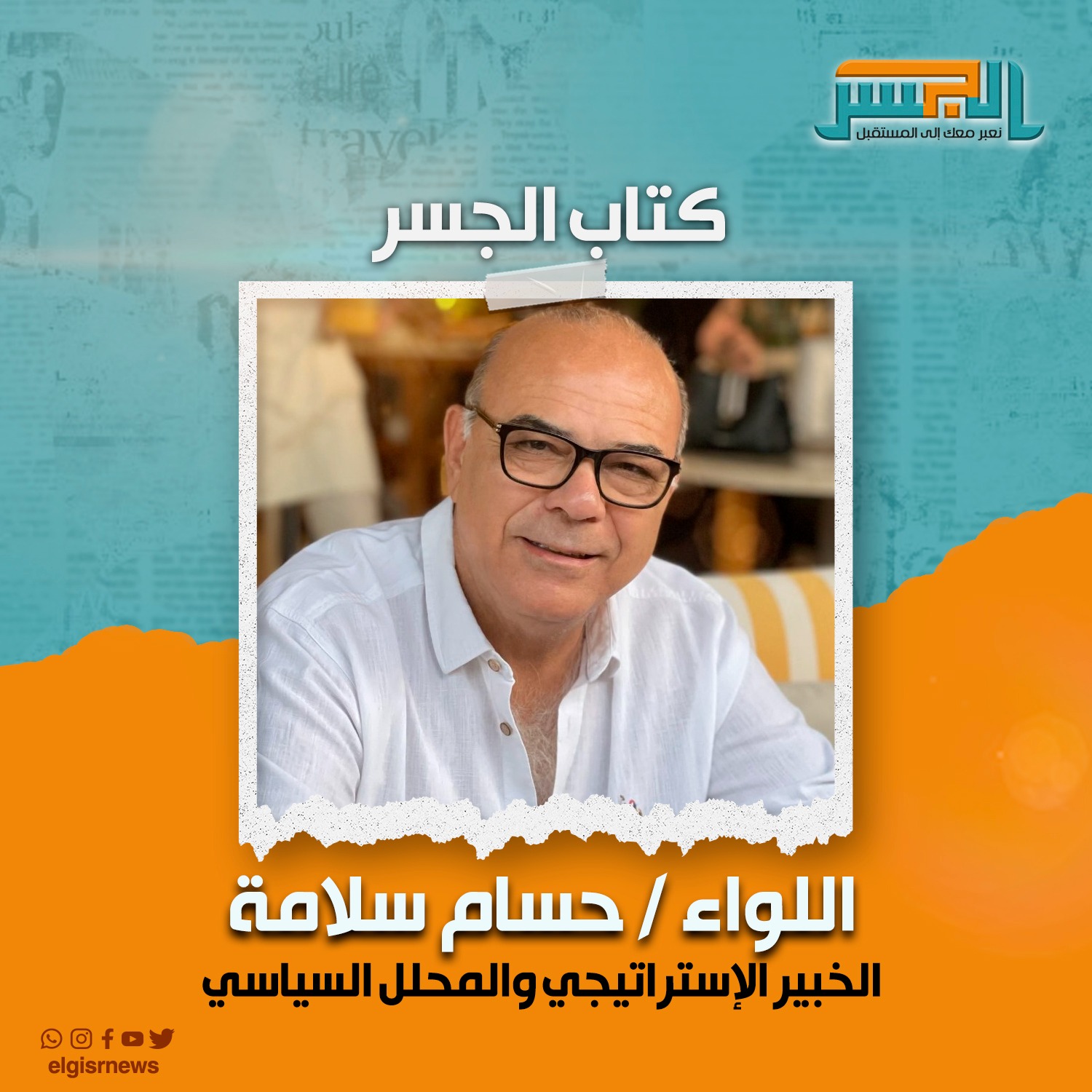
By: Major General Hossam Salama – Strategic Expert and Political Analyst
As we approach the end of 2025, we must acknowledge that the world is no longer unipolar as it once was. It has become multipolar: China and Russia have regained influence and now hold significant weight in the East, while the largest pole, the United States, dominates from the West. The European Union, meanwhile, struggles to secure its own high-standing role within this new global system. Naturally, nations around the world compete to secure their position within this system, seeking either respect or at least recognition from the major powers.
No new global political order emerges without sharp changes occurring in the world—whether political, military, economic, or all simultaneously. The First and Second World Wars left a global system and ongoing political conflicts. Today, we are experiencing a “third world war,” but of a new kind: it is driven by economic power and fueled by conflicts and wars. Major governments in Europe are aware of this and are preparing themselves fully, strengthening both their military and economic capacities.
In this struggle, political powers have sought control over key sectors such as energy (all forms), international trade, supply chains, advanced technology, and artificial intelligence. Achieving dominance in these fields requires military superiority and robust international alliances.
The Middle East has not been immune to this conflict. Regional upheavals and revolutions have emerged because the area contains critical resources sought by major powers, especially energy and supply routes, given its strategic location. Egypt, of course, has been the fulcrum of balance and the pivot of regional maneuvering; its borders constitute an ever-present hotspot.
From this perspective, Egypt’s actions since rebuilding the “New Republic” have been highly strategic. The political leadership anticipated unfolding developments, adopted a forward-looking approach, and worked to position Egypt as a global logistical hub controlling major supply routes. Egypt holds the world’s most important waterway for international trade, which has been strengthened through major projects at seaports (renovations, upgrades, and new constructions), as well as improvements to railways and highways, demonstrating to the world that Egypt deserves its critical role in global supply chains.
Egypt has also positioned itself as a regional energy hub. The recent landmark gas deal with Israel—the largest in modern history—proved Egypt’s centrality beyond doubt. Soon, Egypt will become a major gas exporter; it will rely on only 8% of Israeli gas for domestic needs, while the remainder, along with Cypriot gas and new domestic discoveries, will be exported.
Egypt has earned global respect through these strategic preparations, further reinforced by its military strength. The world can witness Egypt’s military power, which ensures both national security and global confidence in Egypt’s role. This explains the significant negative events along Egypt’s four borders, and the conspiracies in Ethiopia, all aimed at dragging Egypt into conflicts that could undermine its progress—a reality recognized and countered by Egypt’s leadership and people.
Egypt has successfully regained its leadership role across multiple arenas: the Middle East, Africa, and the Islamic world. The international community has come to understand that no major presence in the region is possible without Egypt’s role. This explains the recent global race to establish strategic partnerships and alliances with Egypt.
Predictions for Egypt in the New Year:
Egypt will continue to exercise restraint on contentious regional issues, especially in the south—not abandoning these matters, but addressing them politically rather than militarily. Efforts will focus on strengthening agreements between Israel and Hamas, with collaboration at the political level, including coordination with former President Trump’s initiatives.
Economically, Egypt’s “war” this year will focus on reducing debt. Given the global transitions and competition among nations to secure strong positions, Egypt had no luxury of time—it needed to borrow to complete major development projects.
Global economic indicators suggest that the Egyptian economy is in a strong upward phase, expected to continue due to the current stable and calm climate. Citizens’ economic conditions will remain largely consistent during the first half of the year. Economic reforms will continue, including subsidy adjustments to control and reduce debt, while ongoing development projects will be completed. Revenue growth will be fueled by industry, tourism, the operation of ports and logistics hubs, and remittances from Egyptians working abroad.
Thanks to these efforts, Egypt has achieved clear progress, strengthening its global standing. This success is due primarily to the Egyptian people and the strategic vision of its leadership. Without the patience, resilience, and sacrifices of the Egyptian people, such progress would not have been possible. Full respect is due to the citizens who bear these burdens for the sake of future generations.
Finally, long live Egypt!
And long live its people!