
Editor-in-Chief of Al-Gisr News Platform: The Egyptian State Launches Several Initiatives to Support and Empower People with Visual Impairments
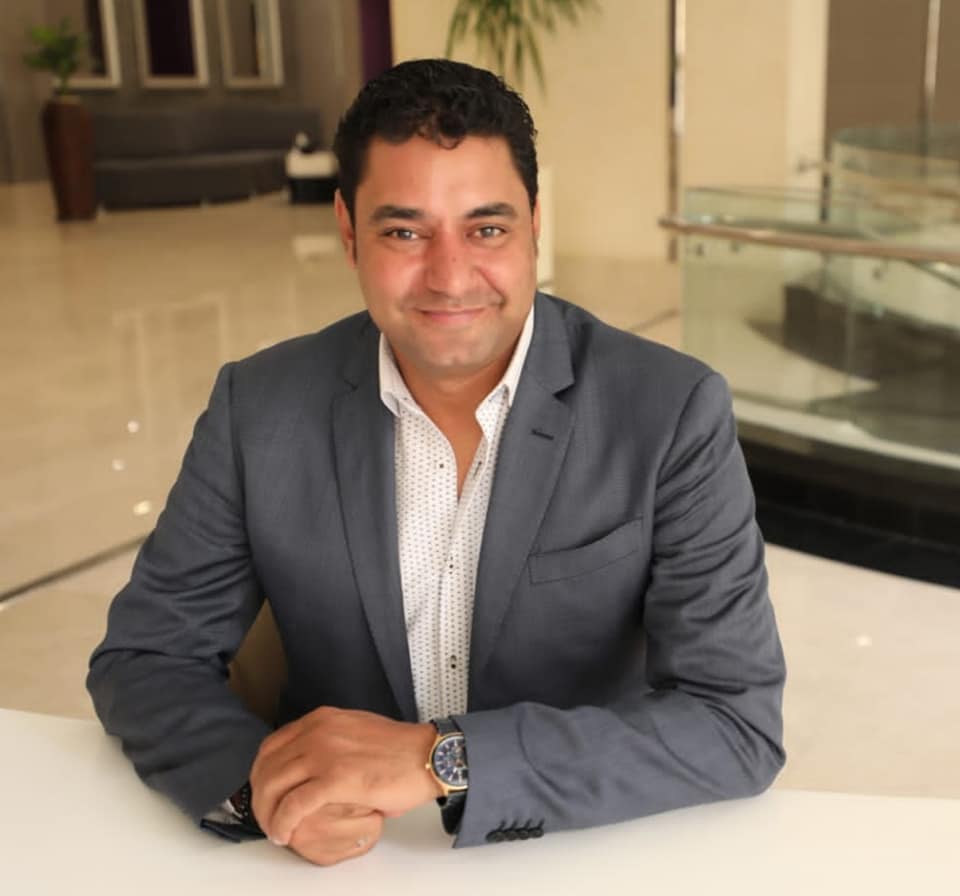
Egyptian State Launches Initiatives to Support and Empower People with Visual Impairments: Statement by Hossam El-Din Al-Amir
Hossam El-Din Al-Amir, journalist, researcher, and expert on disability and human rights, and Editor-in-Chief of Al-Gisr News Platform, praised the efforts of the Egyptian state in supporting and empowering people with visual impairments. He extended his greetings to visually impaired individuals worldwide and in Egypt on the occasion of World Braille Day, celebrated annually on January 4th.
Al-Amir emphasized in a special statement that the government’s attention to Braille reflects a genuine commitment to integrating visually impaired persons into society, enabling them to access education, employment, and full participation in public life, while respecting their dignity and rights under Egypt Vision 2030 and comprehensive development plans.
He highlighted several state initiatives that confirm this commitment:
Education: The Ministries of Social Solidarity, Education, and Higher Education and Scientific Research have provided educational materials in Braille at schools and universities, improving access to knowledge and independent learning for blind students. The state has also focused on developing Al-Noor Schools for the Blind nationwide.
Assistive Technology: Distribution of talking laptops to visually impaired students has enhanced their independence and academic skills. Monthly scholarships for visually impaired university students and coverage of tuition fees for those in financial difficulty further promote equality in higher education.
Financial Inclusion: Central Bank of Egypt initiatives and participating banks have introduced measures to facilitate access to banking services, including:
Thousands of ATMs with Braille numbering and appropriate lighting.
Forms and product applications available in Braille.
Virtual assistant features and screen readers on banking websites.
Braille-enabled bank cards and audio recordings explaining product terms and conditions.
Awareness and Accessibility: Nationwide campaigns raise awareness of the importance of Braille in integrating the blind into society. Museums and archaeological sites provide Braille labels on exhibits and offer the innovative “Audio Pen”, which allows visually impaired visitors to access information about artifacts by scanning special codes.
Political Participation: The National Elections Authority provides Braille-guided ballots inside polling stations, ensuring full participation of visually impaired voters in parliamentary elections.
Al-Amir emphasized that these initiatives are more than procedural steps—they are investments in human dignity and independence. Braille is a fundamental means of communication, used in education, expression, and knowledge transfer, enabling full participation in society. According to the Convention on the Rights of Persons with Disabilities, Braille is a tactile communication system based on six dots representing letters, numbers, and symbols, including musical, mathematical, and scientific notation, named after its French inventor Louis Braille.
He also noted that World Braille Day highlights the need to increase societal awareness of the importance of Braille, as awareness is a key factor in building bridges between the community and visually impaired individuals, facilitating their active participation in daily life, education, employment, and public services.
Al-Amir called on society to support visually impaired individuals and urged educational and civil institutions to invest in Braille training and education, not only as a literacy skill but as a true tool for social and economic inclusion.
He concluded his message to visually impaired individuals:
“You are a human force; your presence and contribution strengthen the diversity and resilience of society. Braille is not just a system of symbols—it is a key to knowledge, independence, and active participation.”