
The Egyptian Organization for Human Rights celebrated International Arabic Language Day, highlighting the importance of preserving and promoting the Arabic language as a fundamental aspect of cultural identity and heritage.
El Gisr – Exclusive
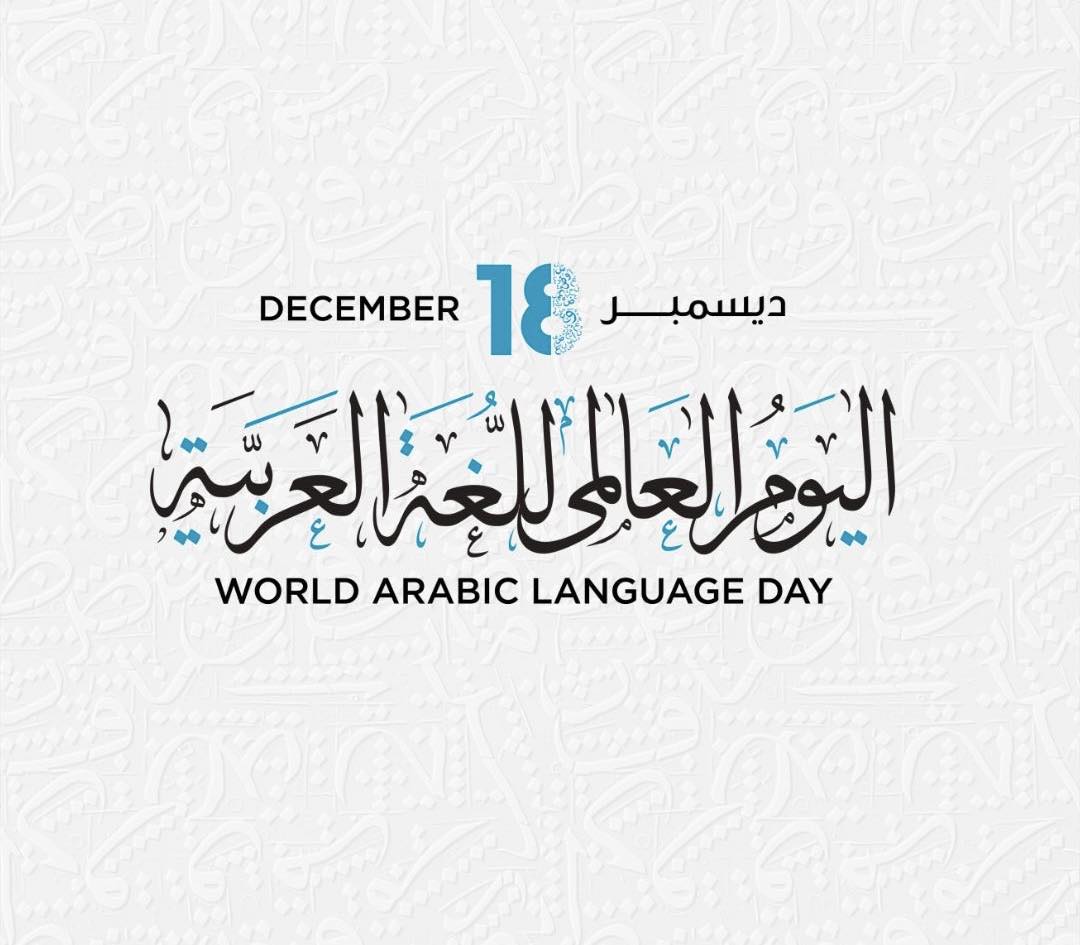
In a statement, the Egyptian Organization for Human Rights said it celebrates International Arabic Language Day, observed every year on December 18. This date was chosen by the UN General Assembly in 1973 to designate Arabic as one of its official working languages, recognizing it as a human cultural heritage, a fundamental pillar of cultural diversity, and a key avenue for exercising basic rights and freedoms.
The organization’s statement noted that throughout its long history, the Arabic language has been a vessel for human knowledge, contributing to the transmission of science, philosophy, and literature, serving as a platform for interaction between civilizations, and providing a broad space for creativity and critical thinking.
The statement emphasized that Arabic still has the capacity to absorb contemporary scientific and technological developments when supported by enabling policies and protective institutional environments.
It added that this celebration is not merely symbolic but stems from a firm belief that language is a right, and that empowering individuals in their mother tongue is essential to enjoying the right to education, knowledge, and the ability to express oneself and participate in public life. Language is not only a tool for communication but also a vessel for awareness, a means of understanding, and a bridge to equal access to the public sphere.
The Egyptian Organization for Human Rights views Arabic as a vessel of knowledge that enables individuals to acquire sciences, understand their rights, and engage in critical thinking. It strengthens belonging, protects cultural diversity, supports linguistic justice, and serves as a platform for creativity and free expression through its linguistic, rhetorical, and aesthetic richness.
Counselor Essam Shiha, President of the Egyptian Organization for Human Rights, called on educational, cultural, and media institutions, as well as civil society organizations, to work together to protect the Arabic language and enhance its presence—not only as a cultural heritage but as a tool of empowerment, a human right, and a bridge for communication and dialogue between peoples.